
Overview
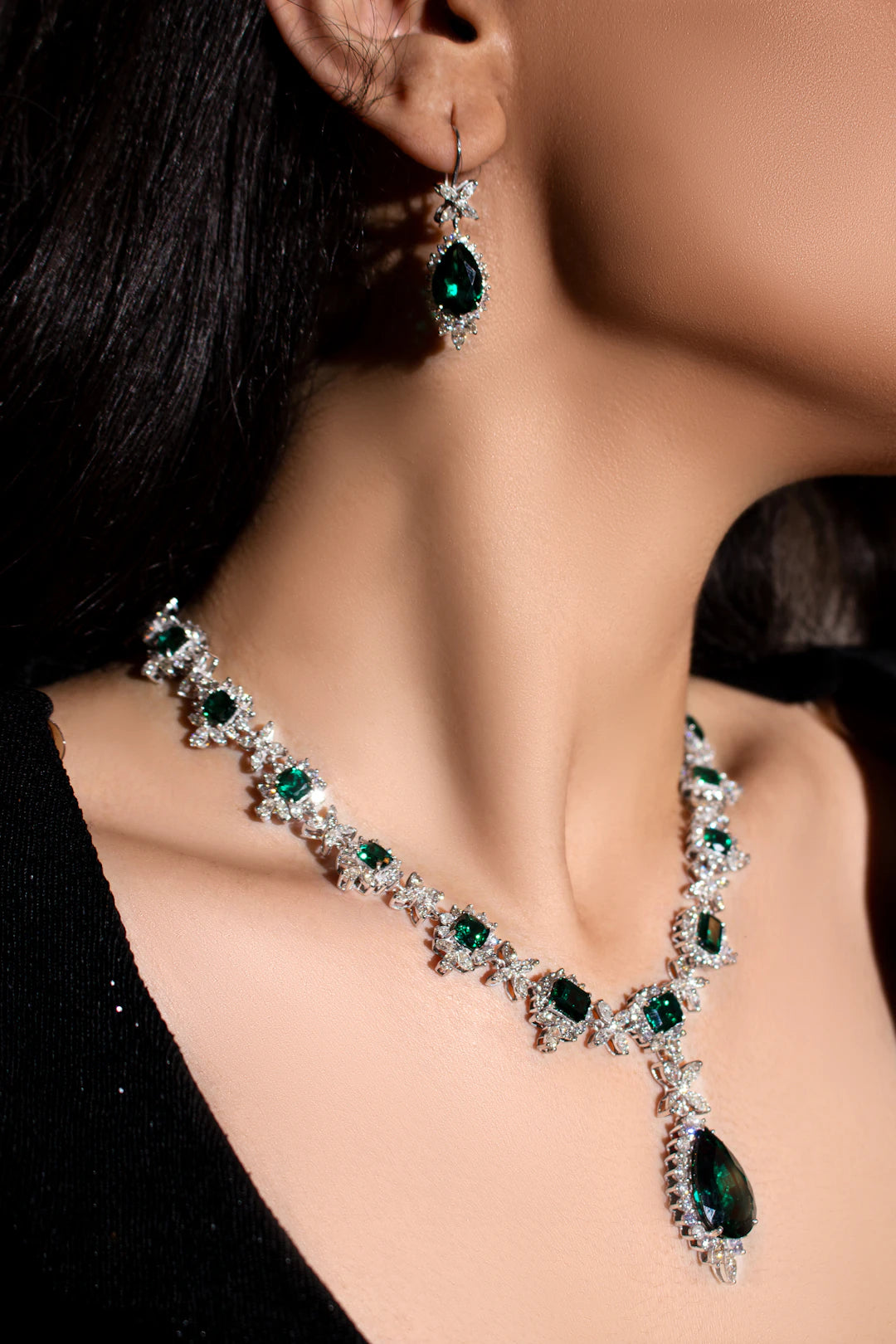
Emeralds, one of the four precious stones, have a rich history that spans from ancient Egypt to modern fine jewelry. Valued for their vibrant green hue, they were cherished by royalty and featured in significant cultural artifacts. The blog explores their journey through ancient civilizations, the Age of Exploration, and their resurgence in contemporary fashion, emphasizing the importance of quality, ethical sourcing, and evolving designs. Emerald jewelry continues to captivate, symbolizing wealth and cultural significance while appealing to a new generation of collectors.
Frequently Asked Questions
1. What are emeralds and why are they significant?
2. Where did emeralds originate?
3. What historical significance do emeralds have in ancient civilizations?
4. How has the perception of emeralds changed from the Middle Ages to modern times?
5. What factors determine the quality of emeralds?
Emeralds have bewitched humanity for centuries, captivating hearts with their vibrant green hue and rich history. Known as one of the four precious stones, alongside diamonds, rubies, and sapphires, emeralds hold a prominent place in both royalty and modern fine jewelry. In this blog, we will explore the fascinating journey of emeralds from ancient civilizations to contemporary artisanship, highlighting their significance along the way. Join us as we delve into the lush green world of natural emerald jewelry!
The Origins of Emeralds: An Ancient Gem
Emeralds have a storied past, dating back thousands of years. The earliest known emerald mines were discovered in Egypt, near the Red Sea, around 330 BC. These mines were believed to be under the guardianship of the goddess Isis, a symbol of fertility, motherhood, and magic. This connection to divinity underscores the emerald's mystical allure.
The ancient Egyptians valued emeralds so highly that the stone became associated with prosperity and abundance. Pharaohs, including Cleopatra, adorned themselves with emerald jewelry, believing it to bring good fortune and protection. Cleopatra was known for her vast collection of emeralds, often incorporating them into her crowns and other regalia, which showcased her wealth and power.
Emeralds in Ancient Civilizations
The Greeks and Romans
As emeralds cascaded through history, they found favor in ancient Greece and Rome. The Greeks associated emeralds with the goddess Venus, encapsulating themes of love and beauty. They believed wearing emeralds could enhance their romantic endeavors.
The Romans, enamored by their luxurious aesthetics, adorned themselves with emerald jewelry that represented wealth and status. Wealthy Romans would use emeralds in their signet rings and pendants, with some even inscribing their likenesses on the stones. The emerald's mesmerizing hue became synonymous with nobility and splendor.
The Rise of the Emerald in the Middle Ages
As we journeyed into the Middle Ages, emeralds continued to play a pivotal role. Notably in the world of Christianity, emeralds were prized for their connection to eternal life, symbolizing hope and renewal. They adorned religious artifacts and were often used in ecclesiastical jewelry.
Emeralds also appeared in the Crown Jewels of Europe, often set in intricate designs that signified the elite status of the wearer. These gems were believed to possess protective qualities, warding off negative energies and bringing prosperity to the ruling class.
The Age of Exploration: Emeralds in the New World
When the Age of Exploration began, European jewelers' fascination with emeralds transcended borders. The Spanish Conquistadors discovered emeralds in South America during their conquests of the 16th century, capturing the hearts of nobles back home. Colombia became the epicenter of emerald mining, producing some of the world’s most renowned and sought-after stones.
Colombian emeralds are particularly unique due to their deep color variations, which can range from vibrant green to bluish-green hues. These gems were often featured in royal collections, thus reinforcing their status in the pantheon of precious gemstones. The trade routes established during this time allowed for a burgeoning market of natural emerald jewelry to flourish.
The Modern Era: Evolution of Emerald Jewelry
Emeralds in the 19th and 20th Centuries
As time progressed into the 19th and 20th centuries, the interest in emeralds surged, particularly during the Art Deco movement. Jewelers began to experiment with innovative designs, often incorporating emeralds with contrasting gemstones like diamonds and sapphires, resulting in stunning pieces that captured the imaginations of collectors and fashionistas alike.
Hollywood stars of the 1950s, including Elizabeth Taylor, cemented the allure of emeralds in popular culture. The iconic combination of vibrant emeralds and sparkling diamonds quickly became synonymous with glamour and sophisticated elegance. This period saw the emergence of custom natural emerald jewelry pieces, tailored to individual tastes and preferences, marking a turning point in how these gems were perceived and utilized.
The Resurgence of Interest in Fine Jewelry
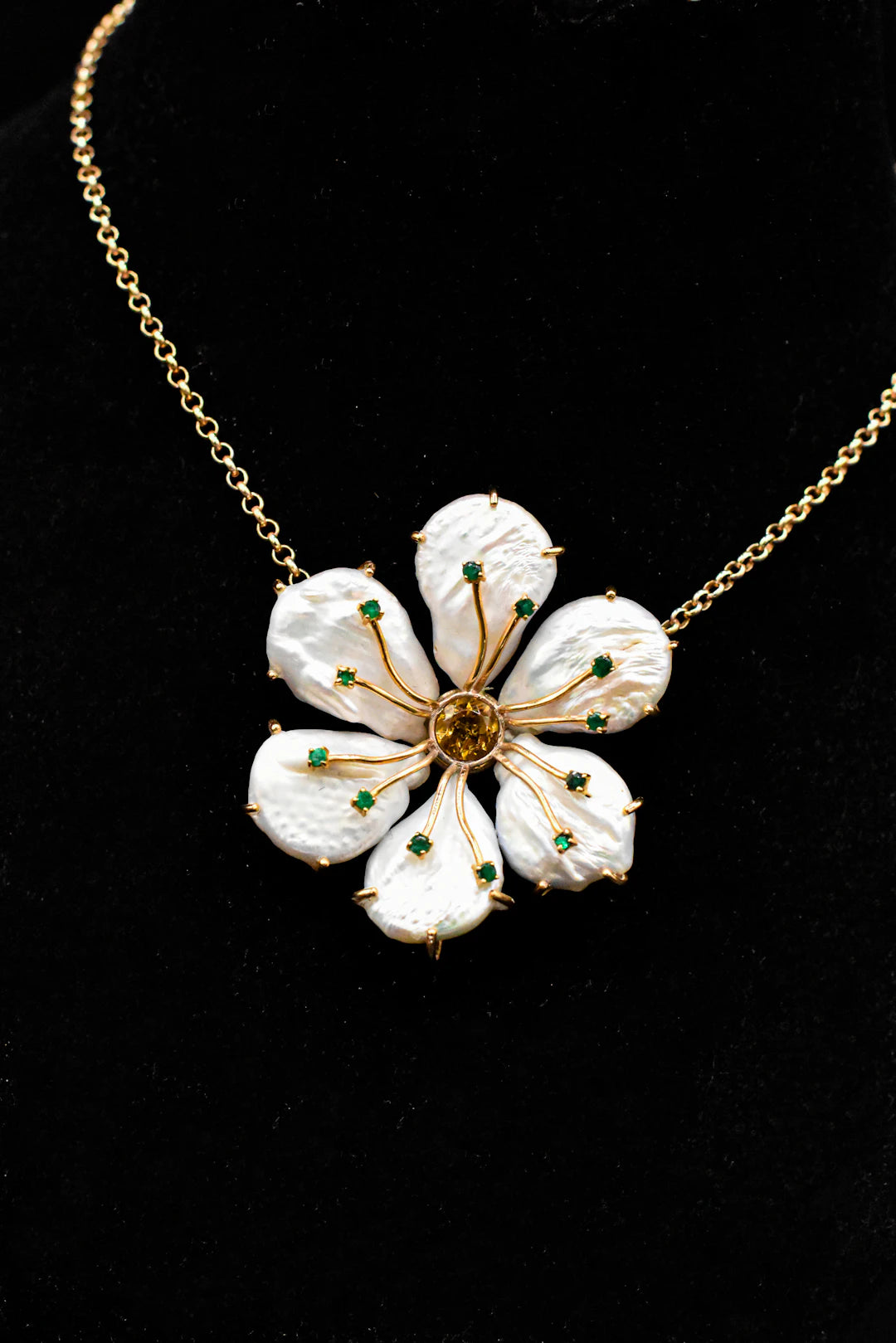
In recent decades, the market for natural emerald jewelry has experienced a revival. With a growing appreciation for gemstones' unique characteristics, more people are seeking ethically-sourced emeralds as a centerpiece for fine jewelry collections. Consumers are drawn to the rich history and cultural significance behind emeralds, which adds layers of meaning to their purchases.
Modern jewelers are continuing to craft exquisite designs that pay homage to historical influences while integrating contemporary aesthetics. The blend of traditional craftsmanship with modern technology allows for intricate detailing, ensuring that each piece of natural emerald jewelry remains distinctive and timeless.
Emeralds: A Quest for Quality
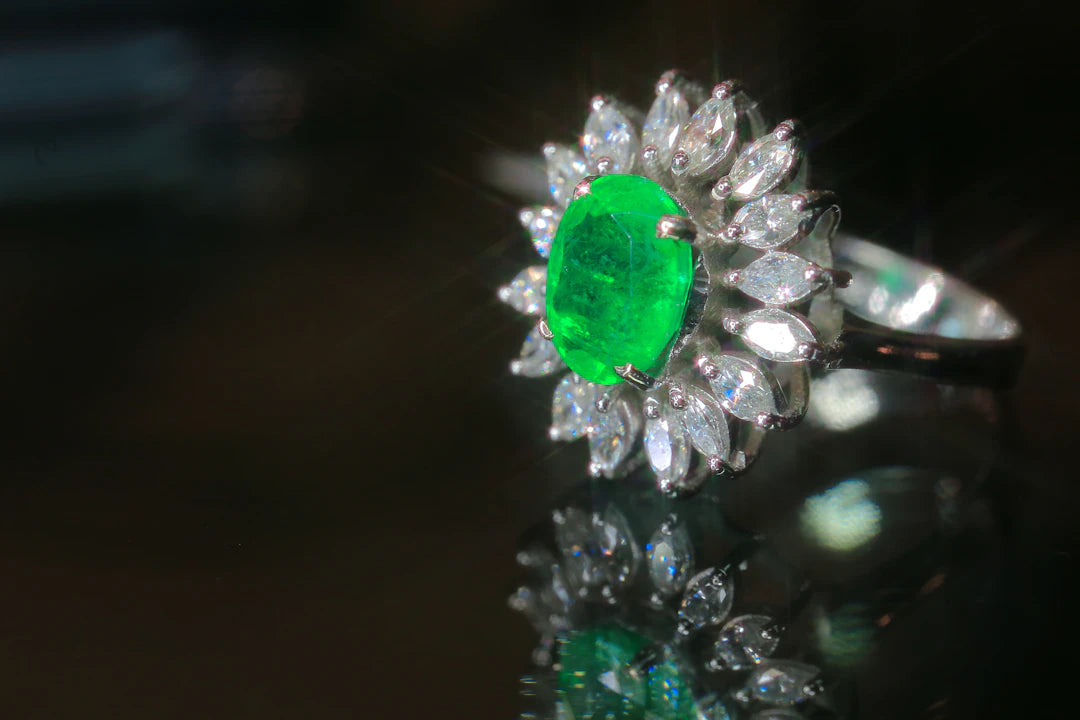
When people think of purchasing natural emerald jewelry, it's essential to understand the key factors that contribute to the quality of these precious stones. The value of emeralds is determined primarily by color, clarity, cut, and carat weight. The most sought-after emeralds boast a vivid green color with excellent transparency.
- Color: The finest emeralds exhibit a deep green hue characterized by balance and saturation. Color is the most critical factor affecting its overall value.
- Clarity: Natural emeralds often contain inclusions. However, the fewer inclusions a stone has, the more valuable it is.
- Cut: The cutting style influences how light interacts with the emerald. A well-cut emerald will reflect light beautifully, enhancing its color and brilliance.
- Carat Weight: Naturally, larger gems tend to be more valuable, particularly if they meet the above criteria.
Emeralds are often treated to improve their clarity and appearance. It's essential for consumers to understand the care of their gems, ensuring longevity and beauty. Ethical sourcing is also a critical factor, with more jewelers offering transparency about their supply chains and mining practices. As consumers become more conscientious, the demand for responsibly sourced emeralds is on the rise.
The Future of Emeralds in Fine Jewelry
As we journey further into the 21st century, the significance of emeralds continues to evolve. Fine jewelry crafted with natural emeralds is being embraced by a new generation of collectors who cherish the stories and traditions behind each stone. There is a growing curiosity surrounding sustainable and ethical mining practices, encouraging jewelers to adapt to the changing consumer landscape.
Furthermore, innovations in design allow for seasonally inspired collections that highlight the versatility of emeralds. No longer confined to classic, opulent pieces, emeralds are being used in contemporary designs that appeal to a broader audience, from unique statement pieces to minimalist adornments.
A Timeless Gem's Enduring Legacy
In exploring the captivating history of emeralds, it’s clear that they have transcended mere adornments. They embody centuries of cultural significance, wealth, and power, while continuing to evolve in modern aesthetics. The allure of natural emerald jewelry remains potent, making it an enduring choice for those seeking to wear a piece of history on their personas.
Ultimately, emeralds are not just beautiful gemstones; they represent the dreams, aspirations, and desires of those who have owned them throughout history. As we look toward the future, we can be certain that this enchanting gem will continue to captivate hearts and minds for generations to come.
Whether you are a seasoned collector or a newcomer to natural emerald jewelry, embracing the beauty of these stones allows you to partake in a rich legacy filled with mystery and allure. Explore the captivating world of emeralds, and let their timeless grace be part of your own story!

Leave a comment
This site is protected by hCaptcha and the hCaptcha Privacy Policy and Terms of Service apply.