
Overview
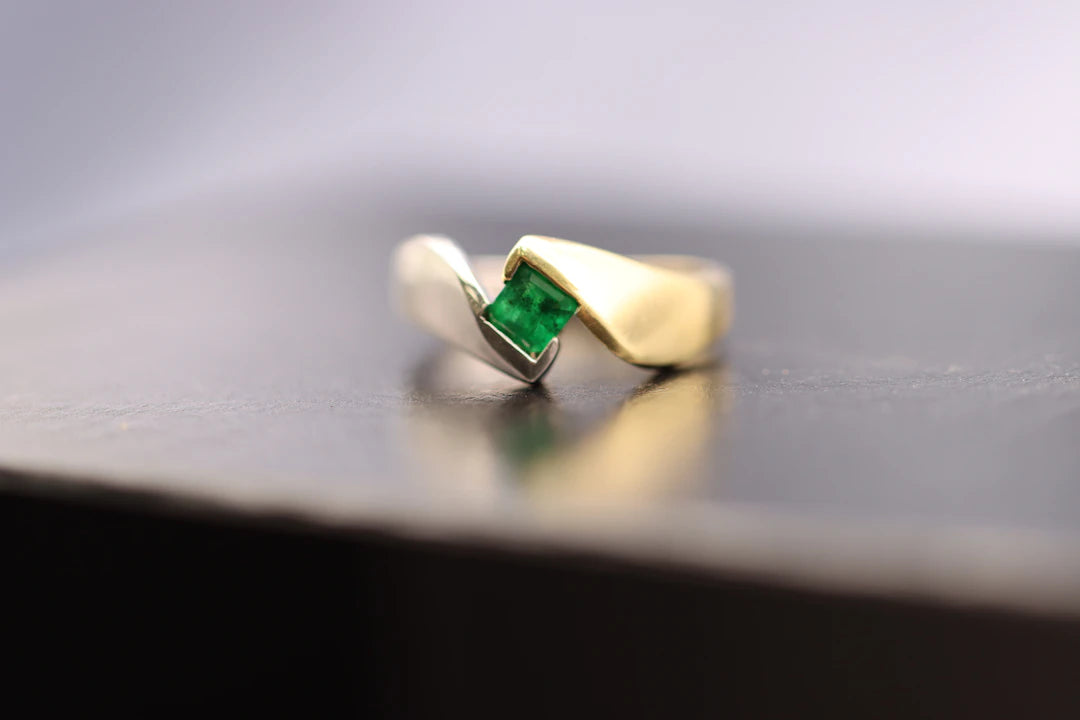
Emeralds are highly valued gemstones known for their vibrant green colors and rich history. This guide covers the basics of emeralds, including their formation, types (Colombian, Brazilian, Zambian), treatments (like oiling), and factors influencing their value (color, clarity, cut, carat weight). When shopping for fine emerald jewelry, it’s important to consider personal preferences, work with reputable jewelers, and have a budget in mind. Understanding these aspects enhances appreciation for emeralds and helps in finding the perfect pieces.
Frequently Asked Questions
1. What are emeralds classified as?
2. Where do the most valued emeralds originate from?
3. How are emeralds commonly treated to enhance their appearance?
4. What factors influence the value of emeralds?
5. What should I consider when purchasing emerald jewelry?
Emeralds are among the most coveted gemstones worldwide, known for their stunning green hues and rich history. Popularly featured in fine emerald necklaces, these brilliant stones have captivated jewelers, collectors, and lovers of fine jewelry for centuries. Understanding the different types of emeralds is crucial for appreciating their beauty and value. In this comprehensive guide, we will delve into the various types of emeralds, their characteristics, and what makes them so special.
The Basics of Emeralds
Emeralds are a variety of the mineral beryl, colored green by trace amounts of chromium and sometimes vanadium. Their lush green color ranges from light green to deep, vibrant shades, with the ultimate beauty often being dictated by clarity and hue. Beyond their aesthetics, emeralds are also known for their mystical properties and significance in various cultures.
The Birth of Emeralds
Emeralds are formed deep within the Earth under extreme temperature and pressure conditions. Geologically, they typically originate in metamorphic rocks and are often found in Colombia, Brazil, and Zambia. Colombian emeralds are particularly valued for their unique color and quality. When searching for fine emerald necklaces, it's essential to consider the origin of the emerald, as it can significantly impact its overall value.
Types of Emeralds
Emeralds can be classified based on various factors such as origin, treatment, and clarity. Let's explore these different categories to enhance your understanding of these magnificent gemstones.
Colombian Emeralds
Colombian emeralds are renowned for their exceptional quality and vibrant color. Originating mainly from the Muzo and Chivor mines, these emeralds have a rich, deep green hue often imparted by the unique geological conditions of the region. They are highly sought after in the jewelry industry, especially in fine emerald necklaces, due to their remarkable brilliance and clarity.
Brazilian Emeralds
Brazilian emeralds can vary significantly in color and clarity. They may lean towards a lighter green compared to Colombian stones, and their quality can range widely. While they might not always achieve the same premium prices as Colombian emeralds, high-quality Brazilian emeralds can still be breathtaking and suitable for a range of fine jewelry pieces.
Zambian Emeralds
Emeralds from Zambia have gained popularity for their distinctive blue-green hue, which sets them apart from their Colombian and Brazilian counterparts. Zambian emeralds are usually found in larger sizes, making them an excellent choice for bold jewelry designs. Additionally, they are often more affordable than comparable Colombian emeralds, making them an appealing option for fine emerald necklaces.
Other Emerald Sources
Aside from Colombia, Brazil, and Zambia, emeralds can also be found in other parts of the world, such as Afghanistan, Pakistan, and Russia. While these emeralds may not share the same prestige, they can still feature unique colors and inclusions. When sourcing emeralds, be open to exploring options beyond the top three countries.
Emerald Treatments: Understanding Enhancement Processes
Many emeralds undergo treatments to enhance their color and clarity. It's essential to understand these processes, as they can affect the value and care of the stone.
Oiling
The most common treatment is oiling, where the emerald is immersed in oils or resins to reduce the visibility of inclusions. Almost 90% of emeralds on the market undergo this treatment, but it's essential to know that this is a standard practice and should not significantly detract from the stone's value.
Color Enhancement
Some emeralds may undergo dyeing to enhance their color. This practice is less common than oiling but should be noted when evaluating the value of a gemstone. It is crucial to obtain a certificate of authenticity from reputable sources when purchasing treated emeralds.
Heat Treatment
Unlike other gemstones, emeralds are seldom heat-treated. If an emerald undergoes this process, it can affect its value. Always verify whether an emerald has been enhanced using credible certification when considering a purchase.
Emerald Quality: Factors that Influence Value
When it comes to emeralds, several quality factors play a pivotal role in pricing and desirability. Understanding these factors can help you make an informed decision when shopping for fine emerald necklaces.
Color
Color is the most critical aspect of an emerald's value. The finest emeralds boast a rich, vivid green hue, typically saturated with depth. While light and dark shades can also be beautiful, they may not carry the same level of desirability or value as deeper green stones.
Clarity
Emeralds inherently contain inclusions, often called 'jardin' (French for garden), which showcases their natural character. The clearer the emerald, the higher its value. However, some inclusions may be tolerated because they add to the personality of the stone as long as they don't affect the structural integrity.
Cut
Emeralds are typically cut in a rectangular shape known as "emerald cut," which maximizes their beauty while minimizing the risk of breaking during the cutting process. A well-cut emerald will enhance its color and brilliance. The precision of the cut also plays a role in the gem's valuation.
Carat Weight
Carat weight is a straightforward determinant of an emerald's value, similar to other gemstones. Larger emeralds are rarer and more desirable, but quality still outweighs size in many cases. A small but exceptionally beautiful emerald can far exceed the value of a larger one with poor color or clarity.
Finding Your Perfect Emerald Jewelry
Whether you are seeking to invest in emeralds or simply wish to adorn yourself with beautiful pieces, discovering the right emerald can be an exhilarating experience. Here are tips to guide you in finding the perfect piece of jewelry, particularly fine emerald necklaces.
Know Your Preferences
Before selecting an emerald necklace, consider your personal style and the occasions you envision wearing it. Do you prefer bold statement pieces or subtle, delicate designs? Your answers will help you narrow down your choices and find something that resonates with you.
Work with Reputable Jewelers
When considering fine emerald necklaces, it's crucial to shop with reputable jewelers who provide authenticity certificates. This practice ensures that you receive genuine, high-quality stones, minimizing the risk of acquiring misrepresented emeralds. Always ask for documentation regarding treatments, origins, and grading.
Consider Versatility
Investing in emerald jewelry is exciting, but it’s wise to think about versatility. A well-designed emerald necklace that can transition from casual outings to formal events will serve you better in the long run. Look for classic designs that balance elegance and adaptability.
Budget Appropriately
Emeralds can range in price dramatically based on quality, size, and treatment. Establishing a budget beforehand helps streamline selections and ensures you find something within your financial means. Remember, it's always possible to find stunning pieces at various price points that still reflect quality.
Embracing the Allure of Emeralds
Emeralds possess not only intrinsic beauty, but they also carry rich cultural and historical significance. From their captivating green hue to the various types and treatments available, understanding emeralds enhances appreciation for these timeless gemstones. Whether you’re looking to add stunning fine emerald necklaces to your collection or enhance a gift for a loved one, knowledge is key. So embrace this enchanting journey and let the beauty of emeralds elevate your jewelry experience!


Leave a comment
This site is protected by hCaptcha and the hCaptcha Privacy Policy and Terms of Service apply.