
Overview
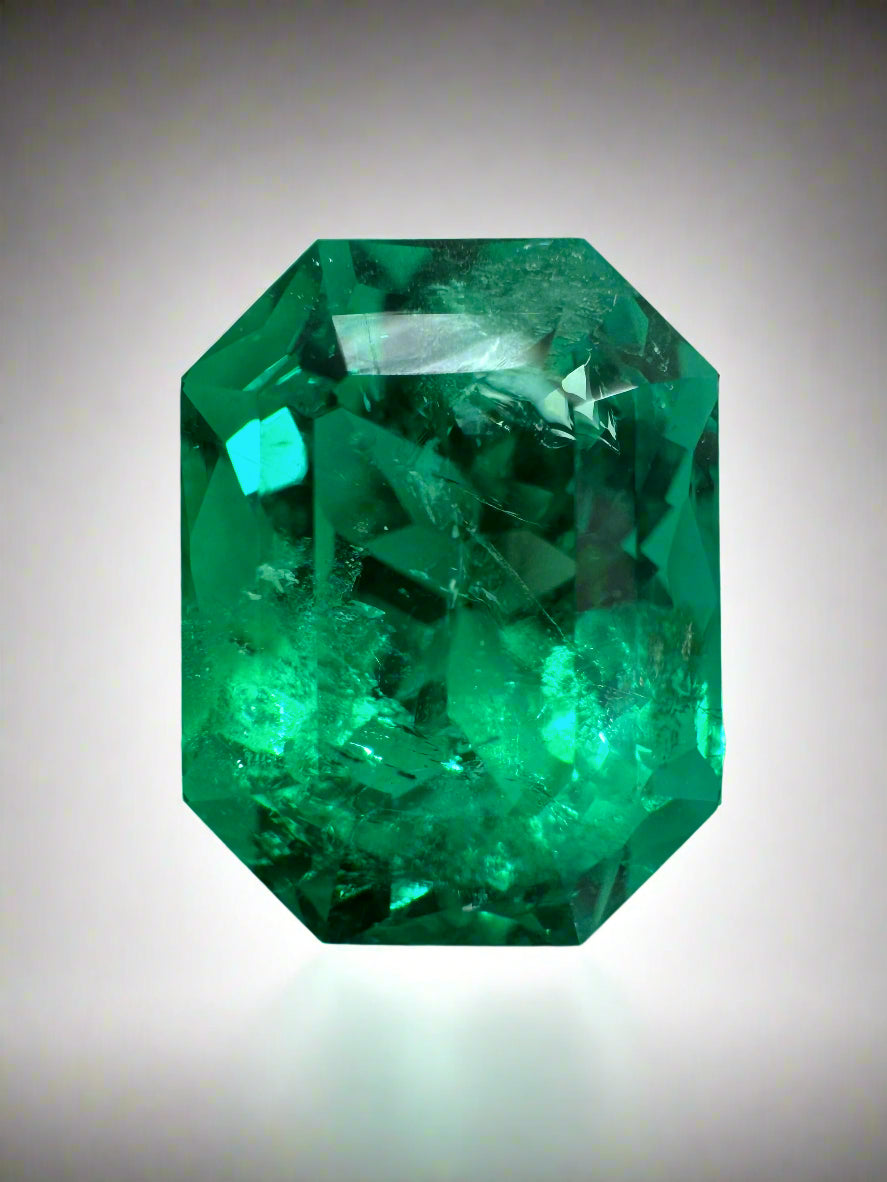
Emeralds are prized for their stunning green color, influenced by factors like hue, tone, and saturation. The article explores the color spectrum of emeralds, grading criteria, treatment impacts, and geographical origins, particularly highlighting Colombian emeralds for their superior quality. It also discusses the emotional significance of emeralds as heirloom pieces and offers buying tips, emphasizing the importance of certification and color quality. Proper care of emerald jewelry is essential for maintaining its beauty, and investing in these gems can lead to lasting value and cherished memories.
Table of Contents
- Understanding Emerald Color: The Basics
- The Color Spectrum of Emeralds
- Color Grading: What Counts?
- Hue
- Tone
- Saturation
- Emerald Treatments and Their Impacts on Color
- Common Treatment Methods
- The Sources of Color: Geographical Origins
- Colombian Emeralds
- Brazilian Emeralds
- Zambian Emeralds
- The Emotional Connection to Emeralds
- Emeralds as Heirloom Pieces
- Buying Advice: What to Look For
- Caring for Your Emerald Jewelry
- Storage and Handling
- Regular Cleanings
- A Timeless Investment: The Long-Term Value of Emeralds
- Creating Your Legacy with Emeralds
Key Takeaways
- Emerald Color Quality: The most valuable emeralds exhibit a vivid green hue free from yellow or blue undertones.
- Color Grading Criteria: Emeralds are graded based on hue, tone, and saturation, with medium tones and high saturation being most desirable.
- Treatment Impact: Common treatments like oiling enhance emerald appearance but may reduce naturalness; certification is crucial for buyers.
- Geographical Origins: Colombian emeralds are highly sought after for their vivid color and transparency, while Brazilian and Zambian emeralds offer different tonal qualities.
- Emotional Significance: Emeralds symbolize growth and renewal, making them ideal for celebrating milestones and creating heirloom pieces.
- Buying Tips: Look for certified emeralds with vivid hues, good clarity, and consider the origin for value appreciation.
- Care Instructions: Store emeralds separately and clean gently with warm, soapy water to maintain their beauty and integrity.
The allure of emeralds has captivated human attention for centuries, eliciting admiration for their breathtaking beauty and intrinsic value. As a cornerstone of natural emerald jewelry, color plays a pivotal role in determining the quality and desirability of these magnificent gemstones. In this comprehensive examination, we will delve into the factors influencing emerald color quality, guiding you in understanding how to appreciate these exquisite stones. Whether you're an avid collector or considering a meaningful gift for a special occasion, this article aims to enrich your knowledge foundation while establishing how color truly makes emeralds exceptional.
Understanding Emerald Color: The Basics
Emeralds belong to the beryl family, and their striking green hue is attributed mainly to chromium and vanadium present in their chemical composition. While you may find other colored beryls, such as aquamarine and morganite, it is the vibrant green of natural emeralds that has garnered them the reputation of being one of the most coveted gemstones in the world.
The Color Spectrum of Emeralds
Emeralds exhibit a wide range of green shades. Here's an understanding of the spectrum:
- Vivid Green: The ideal emerald color, often characterized by deep, rich tones.
- Light Green: Sometimes referred to as spring grass green, this color, while beautiful, is generally considered less valuable.
- Yellowish Green: An undesirable hue that can detract from an emerald's overall quality.
- Blueish Green: This shade can add to the stone's complexity but is less common and may fall on the cusp of being an aquamarine.
Color Grading: What Counts?
Color grading of emeralds encompasses three primary criteria: hue, tone, and saturation.
Hue
Hue refers to the basic color of the emerald. For instance, the most valuable hue is a pure green without hints of yellow or blue. Also, the distribution and balance of these hues determine the emerald's appeal.
Tone
Tone measures the lightness or darkness of the color. Emeralds with a medium tone often strike a balance between being too dark or too light, making them highly sought after.
Saturation
Saturation reflects how intense and vivid the color appears. The ideal emerald showcases a high saturation of green, presenting a strikingly deep and vibrant appearance that captivates the beholder.
Emerald Treatments and Their Impacts on Color
As with many gemstones, treatments can significantly influence the color quality and value of emeralds. Understanding these processes is crucial for buyers seeking the best in natural emerald jewelry.
Common Treatment Methods
Here are some prevalent treatments that emeralds may undergo:
| Treatment Method | Description | Impact on Value |
|---|---|---|
| Oiling | Emeralds are often treated with oil to fill surface cracks and enhance color. | Generally acceptable; reduces naturalness but increases transparency. |
| Resin Filling | Similar to oiling, but using synthetic resin. | Less desirable than traditional oiling due to less natural appearance. |
| Heat Treatment | Application of heat to improve color and clarity. | Rarely used for emeralds; may reduce value if detectable. |
The Sources of Color: Geographical Origins
The geographical origin of emeralds can also play a pivotal role in their color quality. Notable emerald mines include those in Colombia, Brazil, and Zambia, each producing distinct hues and characteristics.
Colombian Emeralds
Colombian emeralds are renowned for their superior color quality, often exhibiting vivid green hues with outstanding saturation and transparency. The Muzo and Chivor mines in Colombia are particularly revered, making these stones highly valuable and desirable among collectors and enthusiasts alike.
Brazilian Emeralds
Brazil produces emeralds with a different tonal palette, often leaning towards a lighter, slightly yellowish-green hue. While they may possess beautiful clarity, their color may not match that of exceptional Colombian counterparts.
Zambian Emeralds
Zambian emeralds have gained popularity in recent years, typically flaunting deep, bluish-green tones. Although they may lack the historical prestige of their Colombian counterparts, advancements in mining techniques have significantly improved their overall quality.
The Emotional Connection to Emeralds
Emeralds carry profound emotional significance and are often associated with growth, renewal, and prosperity. This connection to positive attributes makes emeralds ideal for marking life’s milestones, whether celebrating engagements, weddings, anniversaries, graduation, or birthdays.
Emeralds as Heirloom Pieces
With their captivating allure and rich history, emeralds are often chosen as heirloom pieces, passed down through generations. The color, quality, and craftsmanship encapsulated in an emerald can tell stories of love, congratulations, and heartfelt memories.
Buying Advice: What to Look For
Investing in natural emerald jewelry requires discernment and knowledge. Here are essential tips to ensure you choose wisely:
- Certification: Always opt for emeralds certified by a reputable grading laboratory. This ensures you are aware of any treatments the stone may have undergone.
- Color Quality: Prioritize vivid hues with high saturation and balanced tones. This will maximize both beauty and value.
- Clarity and Cut: Assess clarity; while inclusions are common, they should not compromise transparency. The cut should enhance the stone’s overall appeal.
- Origin Insight: Knowing the origin can greatly affect the price and desirability. Colombian emeralds generally command a premium in the market.
- Value Preservation: Opt for pieces that resonate with your emotional connection, ensuring they will hold sentimental value and appreciate over time.
Caring for Your Emerald Jewelry
To ensure your natural emerald jewelry retains its stunning appearance, learning proper care and maintenance is essential.
Storage and Handling
Store your emeralds separately to prevent scratches from harder gemstones. Always wrap them in soft cloth or place them in their original packaging when not in use. Moreover, avoid exposing them to harsh chemicals, as cleaning agents can affect the stone's integrity.
Regular Cleanings
Gentle cleaning with warm, soapy water and a soft toothbrush can help maintain their luster. Be cautious not to use ultrasonic cleaners, as the vibrations can loosen any treated inclusions.
A Timeless Investment: The Long-Term Value of Emeralds
The enduring charm and emotional significance of emeralds make them a worthwhile investment. Over time, the rarity of high-quality emeralds will contribute to a notable appreciation in value, especially for those pieces that exhibit the perfect balance of color, clarity, and certified authenticity.
Creating Your Legacy with Emeralds
Choosing emerald jewelry means selecting a piece that embodies personal milestones and family heritage. Whether it's an engagement ring that signifies a promise, a graduation gift celebrating accomplishments, or a bespoke piece made to your specific design, these gemstones will etch moments into memory, handed down as cherished heirlooms.
Emeralds stand as a testament to beauty, emotion, and tradition. As you delve deeper into the world of emerald quality, the significance of color becomes vividly clear—a vibrant green legacy waiting to be discovered and adored.
Frequently Asked Questions
1. What are the primary factors that influence the color quality of emeralds?
2. What are the different shades of emeralds and their value?
3. What treatments are commonly applied to emeralds, and how do they impact value?
4. How do the geographical origins affect the color of emeralds?
5. What are some tips for buying emerald jewelry?
Glossary
| Term | Meaning |
|---|---|
| Emerald | A green gemstone from the beryl family, prized for its beauty. |
| Hue | The basic color of an emerald, crucial for its value. |
| Tone | Measures the lightness or darkness of the emerald's color. |
| Saturation | Indicates the intensity of the emerald's color. |
| Oiling | A treatment method to enhance color and fill cracks. |
| Colombian Emeralds | Highly valued for their vivid green hues and clarity. |
| Brazilian Emeralds | Typically lighter, with a slightly yellowish-green hue. |
| Zambian Emeralds | Known for deep, bluish-green tones, gaining popularity. |
| Certification | Verification of an emerald's quality and treatment history. |
| Heirloom | A piece of jewelry passed down through generations. |
Linked Product

5.21 Carat 11.5x9 Vivid Bluish Green Emerald Cut Colombian Emerald with Clipped Corners
This 5.21-carat emerald cut Colombian emerald features a vivid bluish green color and excellent luster, making it an eye-catching addition to any jewelry collection. With transparent clarity and clipped corners, this gemstone is both unique and elegant. It is accompanied by a certificate of authenticity, ensuring its quality and origin.
View Product

Leave a comment
This site is protected by hCaptcha and the hCaptcha Privacy Policy and Terms of Service apply.